
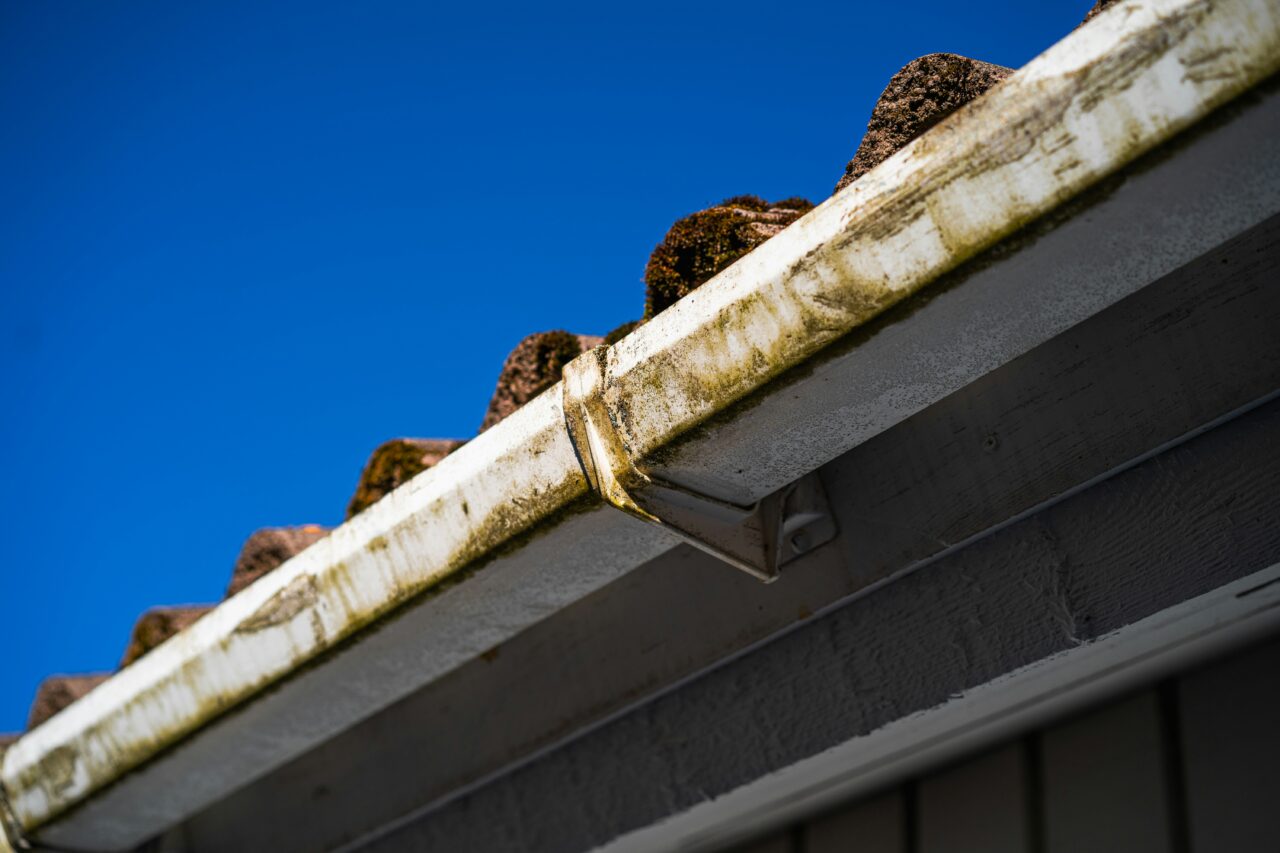
uPVC is popular for a reason. It is durable, low maintenance, and designed to cope with the British weather. But low maintenance does not mean no maintenance. Across Surrey, we regularly see uPVC fascias, soffits, window frames, cladding, and conservatories affected by algae that has been left to build up over time.
At first, it looks harmless. Just a few green patches. Some dark streaks near the roofline. But when algae is ignored, it does more than spoil the appearance of your home. It can quietly shorten the lifespan of your uPVC and lead to problems that are far more difficult to reverse.
Here is what actually happens when algae is left on uPVC for too long.
Built on Experience and Local Knowledge
As part of the Sheerwater Group, Sheerwater Clean draws on decades of experience caring for homes across Surrey. From glazing and rooflines to solar panels and exterior surfaces, we understand how materials behave over time and how local conditions accelerate wear.
Surrey’s damp winters, shaded areas, and leafy surroundings create ideal conditions for algae growth. uPVC may be resilient, but it is not immune.
Algae Does Not Just Sit on the Surface
One of the biggest misconceptions is that algae is only a surface-level issue. In reality, algae holds moisture against the uPVC for long periods, especially in shaded or north-facing areas.
That constant moisture encourages further growth and allows dirt and pollutants to embed themselves into the surface. Over time, this can make the uPVC more porous, meaning it attracts dirt faster and becomes harder to clean.
What started as a cosmetic issue begins to affect the material itself.
Permanent Discolouration Becomes More Likely
Fresh algae can usually be removed safely with the right methods. Left long enough, it can stain uPVC permanently.
Green and black streaks often turn into yellowing or uneven discolouration, especially on white uPVC. Once staining sets in, no amount of aggressive scrubbing will fully restore the original finish. In some cases, homeowners are left considering repainting or even replacing sections that could have been preserved with regular cleaning.
This is one of the most common frustrations we hear. The damage feels sudden, but it has usually been developing quietly for years.
The Surface Becomes Chalky and Dull
Extended exposure to algae and moisture can break down the outer protective layer of uPVC. This often results in a chalky or powdery residue on the surface.
When this happens, the uPVC loses its smooth finish and starts to look tired, even after cleaning attempts. It also becomes more prone to future staining, creating a cycle where it never quite looks clean again.
Regular professional cleaning helps maintain that protective outer layer and keeps the surface smooth and resistant.
Joints and Seals Are Put Under Pressure
Algae thrives in joints, corners, and seals. Around window frames, door surrounds, and roofline connections, this build-up can trap moisture exactly where you do not want it.
Over time, this can:
- Encourage seal deterioration
- Allow water to sit against fixings
- Increase the risk of draughts or minor leaks
- Lead to mould growth nearby
While algae itself does not cause structural failure, the conditions it creates can contribute to problems that affect comfort and efficiency inside the home.
DIY Cleaning Often Makes Things Worse
When algae becomes noticeable, many homeowners understandably try to tackle it themselves. Unfortunately, harsh household cleaners, pressure washers, or abrasive pads often do more harm than good.
Common DIY mistakes include:
- Using bleach or strong chemicals that weaken uPVC
- Scrubbing too aggressively and scratching the surface
- Forcing water into seals and joints
- Leaving residues that attract dirt even faster
These methods may improve the appearance briefly, but they often accelerate long-term wear.
Neglect Spreads the Problem Faster
Algae does not stay contained. Once it establishes itself on fascias or frames, it spreads to nearby surfaces. Conservatory roofs, gutters, soffits, and even walls can become affected.
The longer it is left, the more extensive the clean becomes. What could have been a straightforward maintenance visit turns into a deeper, more involved process.
Regular cleaning stops algae from gaining that foothold in the first place.
Why Regular Cleaning Protects uPVC Long Term
Professional exterior cleaning removes algae safely without damaging the surface beneath. Using purified water and soft-brush systems, we clean uPVC thoroughly while protecting its finish.
Regular maintenance:
- Prevents staining and discolouration
- Preserves the smooth surface of uPVC
- Reduces moisture retention
- Keeps seals and joints in better condition
- Helps your home look consistently well cared for
It is not about making everything spotless once. It is about slowing wear and protecting materials year after year.
A Small Job That Makes a Big Difference
uPVC is designed to last, but only when it is looked after properly. Algae left untreated turns a low-maintenance material into a long-term problem that cannot always be reversed.
At Sheerwater Clean, we help Surrey homeowners protect their exterior surfaces with safe, regular cleaning that focuses on prevention rather than repair.
If your uPVC is starting to show green or black staining, the best time to act is now. The earlier algae is dealt with, the easier it is to remove and the longer your uPVC will continue to look and perform as it should.