
Black streaks on uPVC are one of the most common concerns we hear from homeowners across Surrey. They usually appear on window frames, doors, fascias, soffits, and cladding, and once they show up, they tend to keep coming back if not dealt with properly.
At first glance, they can look like simple dirt marks. In reality, black streaks are often a sign of deeper build-up caused by moisture, airborne pollution, and organic growth. Left untreated, they can permanently stain uPVC and make your home look tired and neglected.
Here’s what actually causes black streaks on uPVC and how to remove them safely without causing damage.
What Causes Black Streaks on uPVC?
- Airborne pollution and carbon particles
- Algae and mould spores
- Dirt and grime washed down from roofs and gutters
- Residue left behind by poor cleaning methods
Because uPVC is non-porous, dirt tends to sit on the surface. Over time, moisture allows grime and organic growth to bond to the material, creating streaks that become harder to remove the longer they are left.
The Most Common Causes of Black Streaking
1. Water Run-Off From Roofs and Gutters
Rainwater picks up dirt, moss, and pollutants as it runs over roof tiles and gutters, leaving dark streaks on uPVC frames, fascias, and soffits. Blocked or overflowing gutters worsen the problem by letting dirty water repeatedly flow over the same areas.
2. Algae and Mould Growth
Surrey’s damp climate creates ideal conditions for algae and mould, especially on shaded sides of properties. These organisms often start as faint grey or green marks but darken over time, turning black as they embed into surface grime.
North-facing elevations and areas under trees are particularly vulnerable.
3. Traffic and Air Pollution
Homes near roads, even relatively quiet ones, are exposed to fine carbon particles from vehicle exhausts. These particles stick to damp uPVC surfaces and gradually form black streaks, especially around window vents, door frames, and soffits.
4. Poor or Infrequent Cleaning
Quick DIY cleans often spread dirt rather than remove it. Using dirty water, incorrect cloths, or unsuitable products can leave residues that attract more grime. Over time, this residue darkens and becomes harder to shift.
Infrequent cleaning allows contamination to build up layer by layer, increasing the risk of staining.
Why Black Streaks Are Hard to Remove Once Established
When black streaks are left too long, they stop being surface dirt and begin to stain the uPVC itself. At that stage, aggressive scrubbing or strong chemicals can seem like a solution, but they usually make things worse.
Common DIY mistakes include:
- Using abrasive pads that scratch the surface
- Applying bleach or solvent-based cleaners that discolour uPVC
- Jet washing too close, forcing water into seals and joints
Once the smooth finish of uPVC is damaged, it attracts dirt more easily, which is why the problem often returns faster each time.
Safe Methods to Remove Black Streaks
The safest way to remove black streaks is through controlled cleaning methods designed specifically for uPVC. Rather than forcing dirt off the surface, this approach lifts contamination gradually and safely.
At Sheerwater Clean, this means using purified water and soft-brush systems, with carefully controlled flow rates to rinse contaminants away without spreading them. Access is always risk assessed to avoid damage to seals, joints, and surrounding areas. This removes both the visible streaks and the residues that cause them to return.

Why Pressure Washing Is Not the Answer
Pressure washing is one of the biggest causes of long-term uPVC damage. While it may remove surface dirt quickly, it often strips protective finishes, forces water behind seals, and loosens trims over time. Once the surface is compromised, black streaks tend to come back faster and are harder to remove.
How to Prevent Black Streaks From Returning
No exterior surface stays clean forever, but regular maintenance makes a noticeable difference.
To reduce black streaking:
- Keep gutters clear so dirty water does not overflow onto uPVC
- Clean fascias, soffits, and frames on a regular schedule
- Address algae early before it darkens and spreads
Regular cleaning helps protect the surface finish and keeps the property looking cared for year-round.
Why Regular Cleaning Works Better Than One-Off Cleans
One-off cleans often remove the worst visible dirt but leave residues behind. With regular cleaning, contamination is lifted before it bonds to the surface. This makes future cleans easier, gentler on materials, and longer lasting. Over time, uPVC stays brighter and cleaner overall.
This is why we focus on planned, regular exterior cleaning rather than rushed one-off visits.
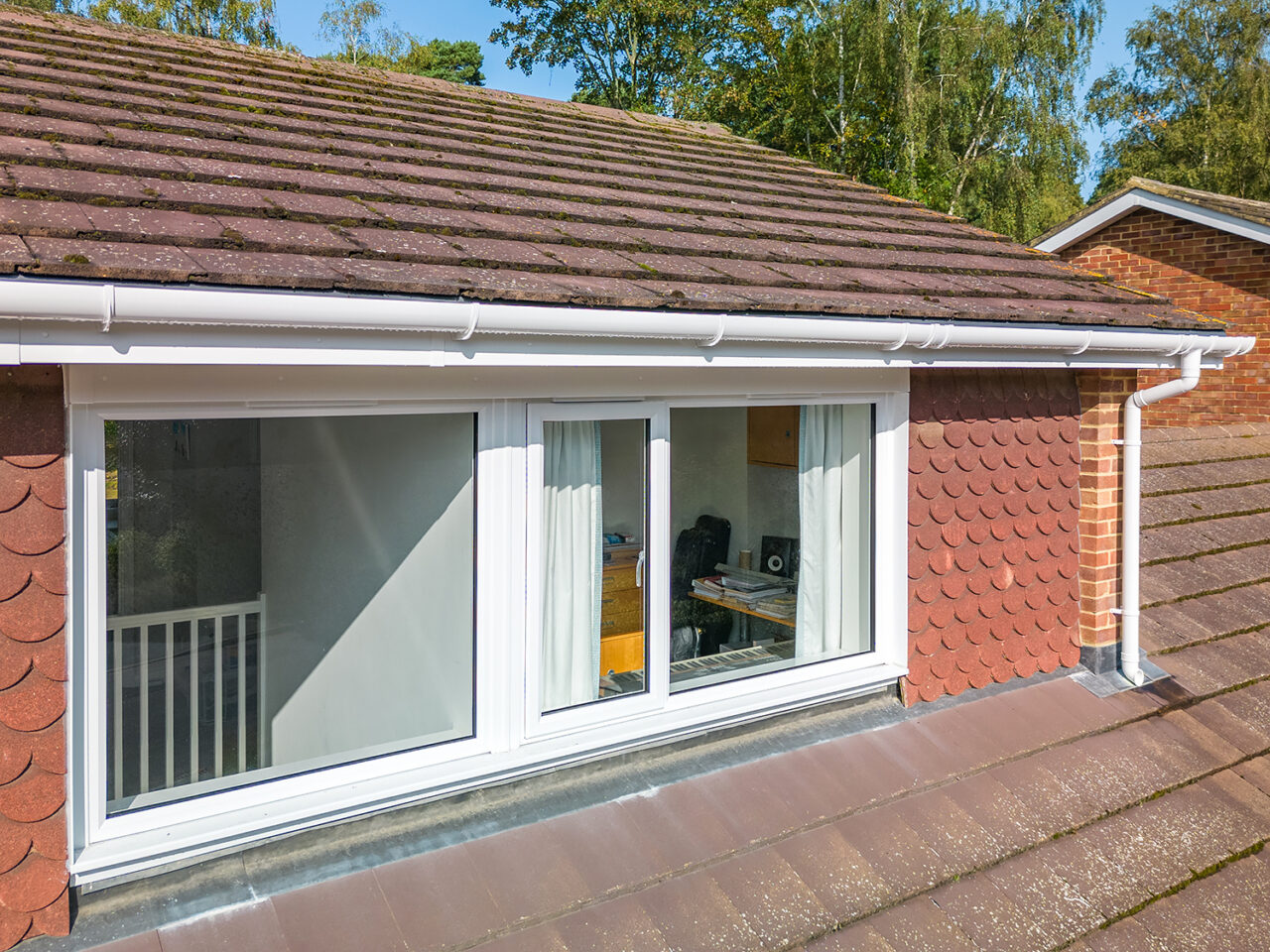
Keeping uPVC Looking Its Best
Black streaks are not just a cosmetic issue. They are often an early sign that dirt, moisture, and pollution are building up where they should not. Dealing with them properly protects your uPVC, extends its lifespan, and helps your home stay well maintained.
As part of the Sheerwater Group, Sheerwater Clean brings the same care, safety standards, and attention to detail that homeowners across Surrey already trust. Addressing black streaks early, using the right approach, makes all the difference.
Get in touch with us today to find out more.