
Moss on your roof, gutters, or exterior surfaces is easy to ignore. For many homeowners, it looks like a cosmetic issue rather than a real concern. A bit of green growth on tiles or along roof edges can seem harmless, especially if there are no obvious leaks or damage.
In reality, moss can be either a minor visual nuisance or an early warning sign of more serious problems. Knowing the difference helps you decide when action is needed and when simple monitoring is enough.
What Is Moss and Why Does It Grow on Homes?
Moss is a simple plant that thrives in damp, shaded environments. Surrey’s climate, with regular rainfall, tree cover, and cooler shaded areas, creates ideal conditions for moss to grow on roofs, gutters, fascias, and walls.
It does not need soil to survive. Moss anchors itself to tiny imperfections in surfaces and absorbs moisture from the air and rain. Over time, small patches can spread faster than many homeowners expect.
When Moss Is Mostly a Cosmetic Issue
In some situations, moss is largely a surface-level concern rather than an immediate problem.
Moss is more likely to be cosmetic when:
- Growth is light and patchy
- It sits on sound, well-maintained roof tiles
- There are no signs of blocked gutters or drainage issues
- The area dries out quickly after rainfall
Even then, moss should be monitored. Cosmetic growth can become a functional issue if conditions change or if build-up is allowed to continue.
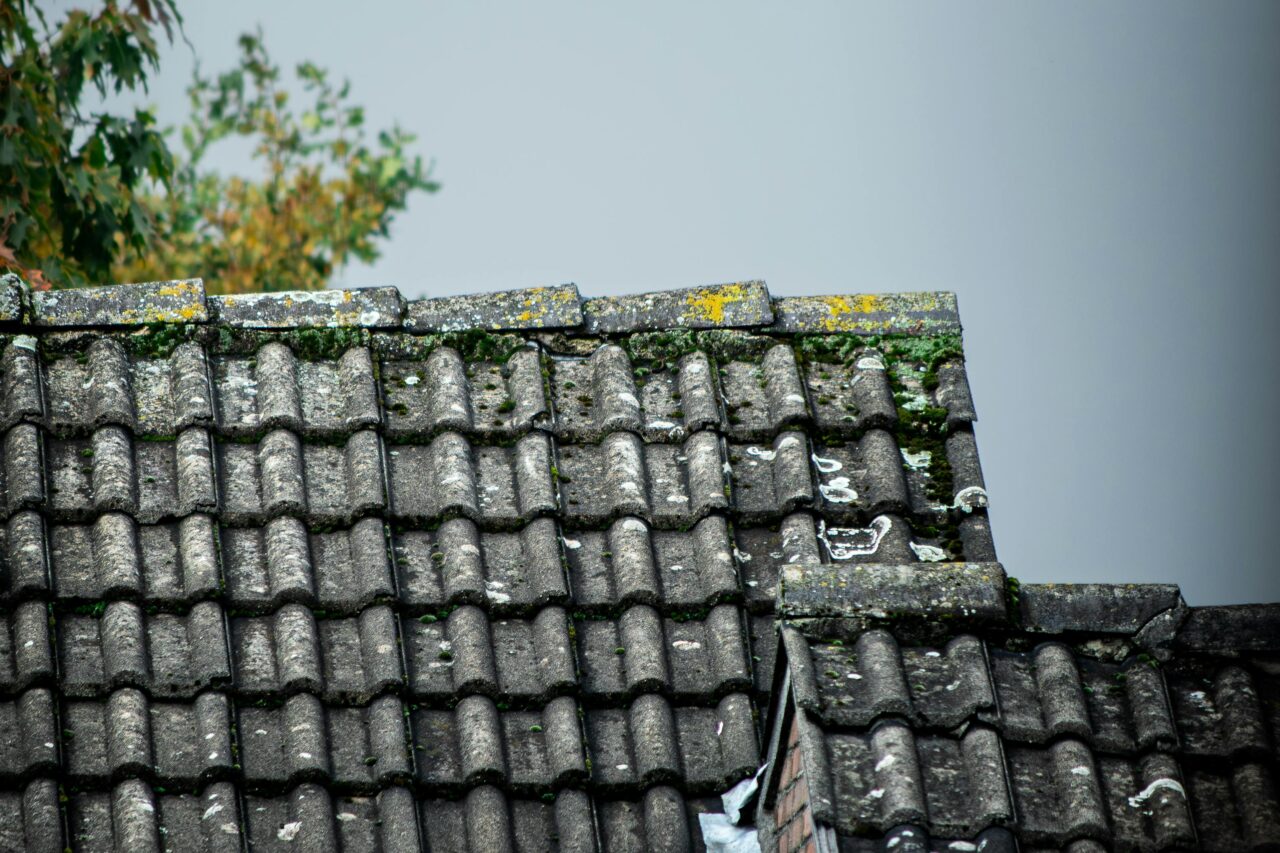
When Moss Becomes a Real Problem
Moss stops being cosmetic when it begins to interfere with how your home manages water and moisture.
On roof tiles, moss holds moisture against the surface. During colder months, this moisture can freeze and expand, gradually weakening tiles. On older or more porous roofs, moss can lift tile edges and create gaps where water can enter. Over time, this increases the risk of cracked or displaced tiles, water getting beneath the roof covering, and faster wear to the roof structure.
Moss also breaks away from roofs and collects in gutters. Once there, it traps leaves and debris, forming dense blockages that stop water flowing freely. This often leads to overflowing gutters, damp patches on walls, staining on fascias and soffits, and a higher risk of internal damp problems.
On fascias, soffits, and walls, moss often appears alongside algae and grime. While it may start as a visual issue, it can trap moisture against surfaces, encouraging staining and organic growth that becomes harder to remove over time.
Why Moss Keeps Coming Back
Moss is persistent because it thrives in shaded areas, places with poor airflow, consistently damp conditions, and on rough or ageing surfaces. Simply brushing it away without addressing these conditions often leads to quick regrowth.
In some cases, aggressive DIY removal makes the problem worse by damaging surfaces and creating more places for moss to take hold.
Is It Safe to Remove Moss Yourself?
DIY moss removal often causes accidental damage. Working at height risks slips and falls, and walking on roofs incorrectly can crack tiles. Harsh cleaning or scraping removes protective coatings, and debris can clog gutters. Pressure washing may seem quick but can strip surfaces, force water under tiles, and shorten roof lifespan.
The Safer Way to Manage Moss
Managing moss properly is about controlled removal and ongoing care rather than quick fixes. Professional exterior cleaning focuses on using methods suited to each surface, protecting tiles, seals, and uPVC, and clearing gutters thoroughly after moss is removed. Safe access and risk assessments are part of every job.
Regular maintenance prevents moss from reaching the stage where it causes structural or drainage problems.
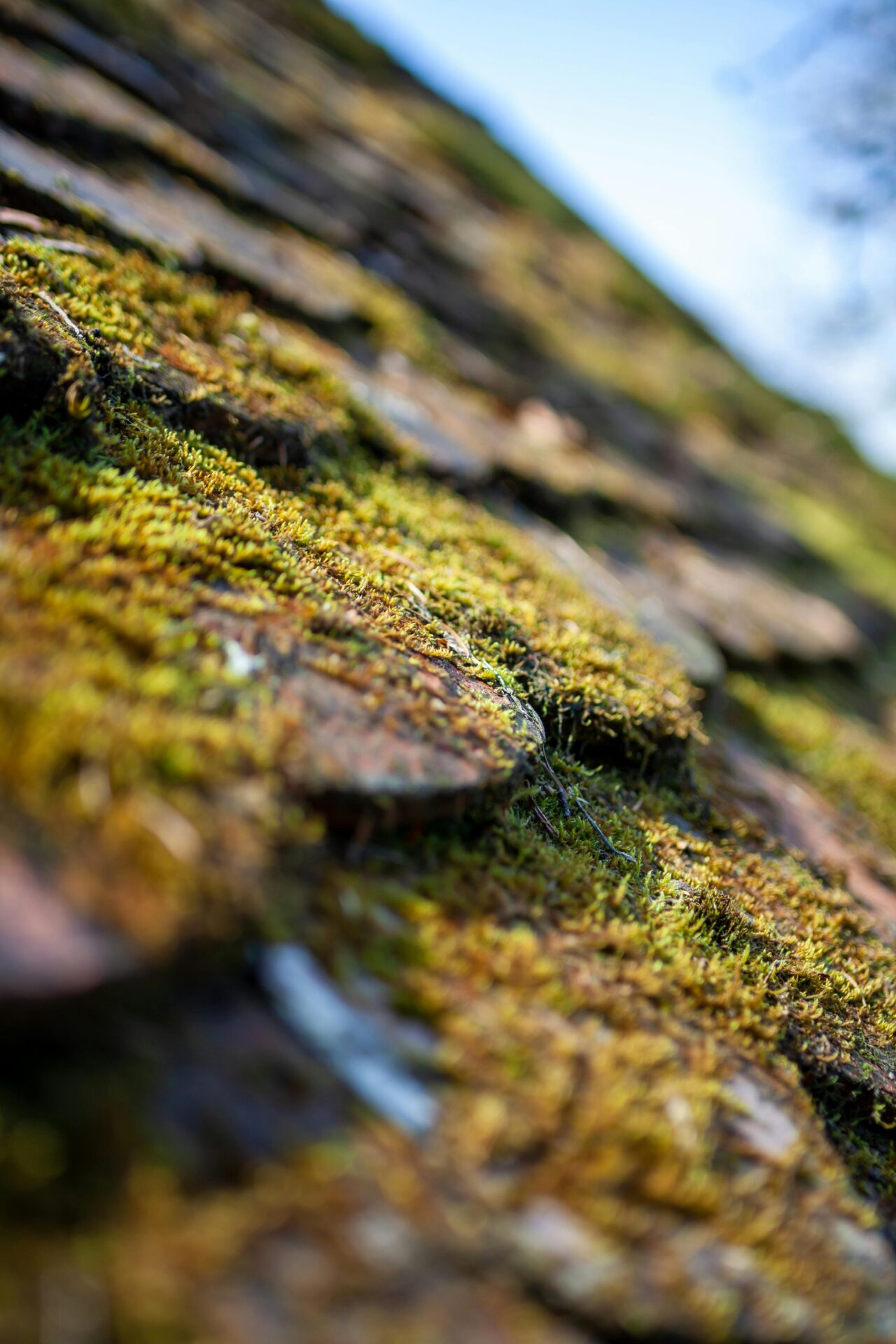
Preventing Moss Rather Than Reacting to It
The most effective approach to moss is prevention. While it cannot always be eliminated completely, its impact can be reduced significantly.
Practical prevention steps include:
- Keeping gutters clear so water drains away properly
- Regular roofline and exterior cleaning
- Dealing with early growth before it spreads
- Avoiding harsh cleaning methods that damage surfaces
A planned cleaning schedule is far more effective than occasional, reactive cleans.
So, Is Moss Always a Problem?
Moss is not always an emergency, but it is rarely something to ignore. What begins as a cosmetic issue can quietly develop into a functional problem if left unchecked. The key is understanding where moss is growing, how much there is, and what it is affecting.
At Sheerwater Clean, we help Surrey homeowners manage moss safely and sensibly, without unnecessary risks or damage. As part of the Sheerwater Group, our focus is on protection, prevention, and long-term care rather than quick fixes.
If moss is starting to appear on your roof or exterior surfaces, dealing with it early is usually the simplest and most cost-effective solution.
Get in touch with our experts today, we’re always happy to help.